Charli XCX just turned a 177-year-old novel into a viral marketing weapon. For independent artists and labels, her Wuthering Heights soundtrack rollout is more than a creative pivot. It’s a live case study in how to escape an era, upgrade your brand, and build an ecosystem instead of a moment.
From Neon Chaos to Victorian Fog: Why Visual Reinvention Matters
Brat wasn’t just an album. It was a visual monopoly. Lime green dominated timelines, club chaos became a visual language, and Charli colonized internet culture. But saturation has a hidden risk: once you fully own a moment, you can become trapped inside it.
Most artists in that position would try to stretch the era. More singles, more remixes, more festival moments. Charli did the opposite.
On February 13, 2026, she stepped out of neon and into Victorian fog, aligning herself with Emerald Fennell’s cinematic adaptation of Wuthering Heights. This wasn’t a simple soundtrack placement. It was a deliberate brand reset.
The Power of Visual Disruption
The most strategic move Charli made wasn’t in the sound. It was in the visuals.
- Brat-era visuals: Oversaturated color, flash photography, tank tops, low-res immediacy, internet-core aesthetics.
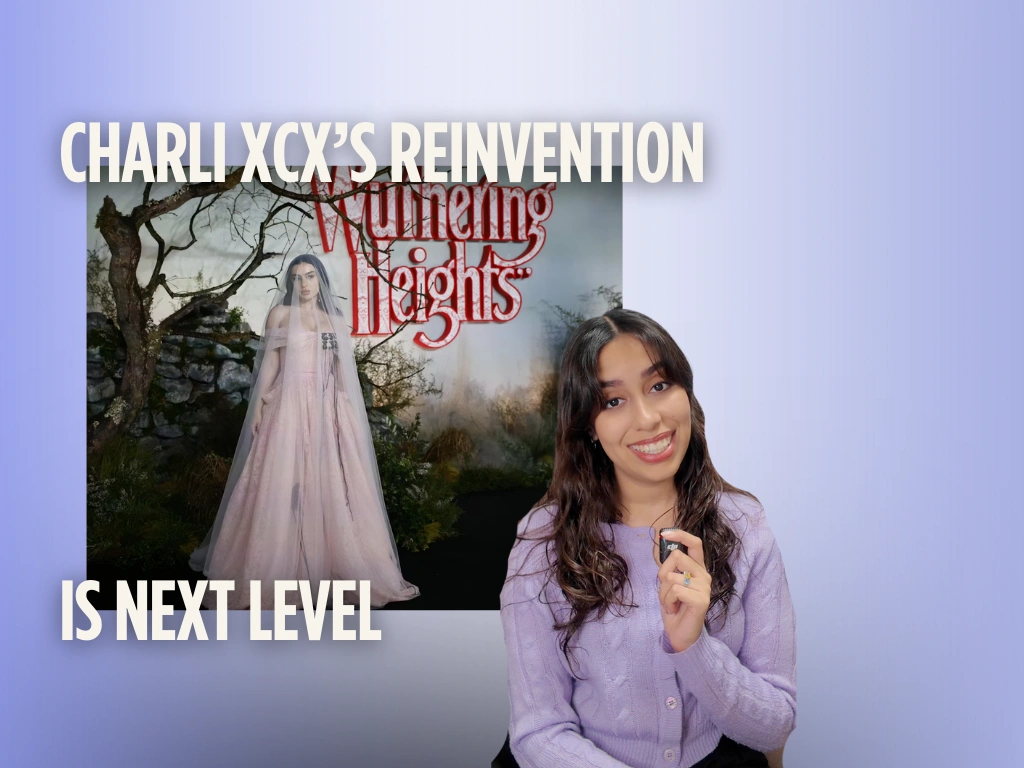
- Wuthering Heights-era visuals: Fog instead of flash, lace instead of latex, structured silhouettes instead of messy club looks, a muted gothic palette.
This wasn’t just costume styling. It was controlled visual disruption.
Audiences rarely analyze these shifts consciously. They feel them. When your silhouette changes, your positioning changes. When your posture changes, your authority changes. Charli understood that the audience needed permission to move on from the Brat era. That permission starts visually long before the sound changes.
By syncing her fashion, artwork, and music videos with the film’s dark romantic world, she built a seamless bridge between her existing brand and a new cinematic universe. It didn’t look like typical promo. It looked like transformation. And transformation attracts attention.
The Infrastructure Play: How Charli Engineered Discoverability
Many soundtrack campaigns chase a TikTok moment and hope something sticks. Charli’s team treated virality as a bonus, not a strategy. The real strategy was infrastructure.
Centralized TikTok Ecosystem
In collaboration with Atlantic Records, Charli’s team launched a centralized TikTok hub tied directly to both the film and the music. This hub became the command center for the rollout:
- Short-form clips and teasers
- Artist commentary and narrative hints
- Pre-save links and calls to action
- Story fragments that connected film and music
Everything lived in one controlled ecosystem. This is the difference between hoping to trend and deliberately engineering discoverability.
If you’re an indie artist or small label, this approach mirrors how leading campaigns structure their funnels. For more examples of system-driven rollouts, study how Zara Larsson rebuilt her brand in her career-defining pivot away from the hit-maker trap.
Using Legacy as an Anchor, Not a Threat
The boldest psychological move in Charli’s rollout was how she handled comparison to Kate Bush. The original 1978 Wuthering Heights is iconic and culturally embedded. Many modern artists would try to avoid the comparison or fight it.
Charli’s team did the opposite. They embraced duality.
- Creators blended Charli’s darker reinterpretation with Kate Bush’s original in edits and trends.
- The contrast between eras and aesthetics became part of the appeal.
- Charli was framed as a successor in the lineage of the song and story, not as a disruptor trying to overwrite it.
Legacy artists stopped being obstacles. They became anchors. When you anchor your work to cultural history, your project gains weight and perceived relevance. This wasn’t nostalgia marketing. It was credibility transfer.
Cross-Medium Dominance: Becoming the Engine, Not the Add-On
Charli did not treat this soundtrack as a side quest that lives only on streaming platforms. She built presence across mediums so the music felt like the engine of the entire project.
Blurring Reality and Fiction
The rollout intersected with a mockumentary produced by A24, blending Charli’s real persona with a cinematic character. The public no longer had a clean line between Charli the recording artist and Charli the figure inhabiting the film’s universe.
That ambiguity generated intrigue and invited deeper engagement. Fans weren’t just listening to songs; they were following a narrative inside and outside the film.
Cultural Activations, Not Basic Promo
The campaign then moved into physical space with immersive pop-up events in London and Brooklyn. These weren’t standard signings or listening parties. They fused Victorian ball aesthetics with underground rave energy:
- Period-inspired styling and stage design
- Club sensibilities and modern nightlife culture
- A direct, physical extension of the soundtrack’s world
These events functioned as cultural activations. When Charli appeared alongside film talent like Margot Robbie and Jacob Elordi, she wasn’t framed as background soundtrack support. She looked like a co-architect of the project.
That perception shift is everything. When audiences perceive authorship instead of simple participation, an artist’s brand equity expands. The film’s strong global opening wasn’t because period dramas suddenly became viral-friendly. A digital-native ecosystem, powered by Charli’s audience, amplified it. She didn’t ride the film’s momentum. She fueled it.
If you are building campaigns across platforms, you’ll find similar ecosystem thinking in campaigns like Rosalía’s Lux rollout, broken down in this deep dive into modern music marketing.
Sonic Evolution: Reframing Intensity, Not Abandoning Identity
Visual change without sonic evolution feels cosmetic. Charli avoided that trap.
Instead of staying locked in her hyperpop-adjacent textures, she shifted toward orchestral dark-wave elements:
- Strings and cinematic layering
- More space in the production
- Slower tempos and emotional severity
This wasn’t a total identity reboot. It was a reframing of her intensity. The core Charli energy remained, but its container changed.
The soundtrack singles were rolled out with the ambition of a studio album, not as disposable film tie-ins:
- High-production visual content
- Strong narrative framing around each release
- Positioning that signaled “this is a Charli era” rather than “extra tracks for a movie”
By release day, the project felt primarily like a Charli XCX era that happened to be attached to a film, rather than a film soundtrack that borrowed her name. When the music feels secondary, audiences treat it as background noise. When it feels sovereign, it commands attention.
Timing: Pivoting at Peak Strength, Not in Decline
The smartest part of this entire move wasn’t only the aesthetic shift or the infrastructure. It was the timing.
Charli pivoted at peak visibility. Not when the Brat wave had fully crashed. Not when metrics were slipping. She moved during dominance.
Most artists and labels stretch an era until engagement declines, then scramble to reinvent. Charli archived Brat before it became repetitive. That decision preserved the mythology of the era.
- Scarcity protects legacy. Ending an era early makes it feel iconic rather than exhausted.
- Strategic timing protects authority. Pivoting while the audience still trusts your instinct makes the shift feel ambitious rather than reactive.
Her audience had not yet grown tired of the lime green chaos. That existing trust made a Victorian, gothic pivot feel exciting instead of confusing.
What Labels Can Learn: Build Systems, Not Just Campaigns
Major labels aren’t winning simply because they spend more. They win when they build better architecture around their artists. The Charli XCX Wuthering Heights rollout underlines several key principles.
- Prioritize infrastructure over impulse. Central hubs, clear funnels, and consistent narrative beats turn random content into a system.
- Fund visual coherence, not just volume. A unified aesthetic across covers, clips, events, and press has more impact than endless disjointed content.
- Use legacy strategically. Connecting modern projects to cultural history can transfer credibility and deepen meaning.
- Allow artists to pivot from a position of strength. Don’t wait for fatigue to force reinvention.
Reactive marketing feels defensive. Proactive reinvention feels visionary. To explore more ways labels use structure and data to fuel growth, study how labels mine audience insights in this guide to how labels use fan data for growth.
What Independent Artists Can Learn: Become an Ecosystem Builder
You may not have Charli’s budget, but you can apply her framework at your scale.
1. Treat Your Aesthetic as Positioning
Your visuals are not decoration. They signal who you are, who your music is for, and what chapter you are in.
- Define a distinct look for each era, even if it’s just through DIY shoots and Canva graphics.
- Use color, styling, and typography to mark clear transitions between projects.
- Give your audience visual permission to move on with you.
2. Use Timing as Strategic Currency
Don’t wait until your current era is exhausted. If you feel yourself repeating ideas, you are probably already behind. Consider:
- Ending a rollout while it still feels strong and cohesive.
- Planning your next visual and sonic chapter before the current one peaks.
- Announcing your pivot while momentum is still high.
3. Turn Collaborations into Credibility Bridges
Features and placements are more than exposure. They can function as bridges that connect you with new histories, communities, and aesthetics.
- Choose collaborators who extend your story, not just your reach.
- Tie your releases to scenes, eras, or influences that your audience already respects.
- If you work on a soundtrack, treat it like a real era, not a side project.
4. Think in Systems, Even on a Budget
Charli’s infrastructure can be scaled down for indie realities:
- Create a single Linktree-style hub where every new song, video, and pre-save lives.
- Pin a TikTok or Instagram Reel that introduces the era and links out to everything.
- Re-use footage across platforms with different edits and captions, but keep the story consistent.
If you’re working with limited resources, you can still build smart funnels. For more practical frameworks, explore strategies in this guide to advertising strategies for artists on a budget.
Charli XCX and the New Blueprint for Soundtracks
This was never just a soundtrack rollout. It was a systems upgrade.
Charli XCX didn’t simply adapt to a film world. She expanded her own universe using the film as a stage. The project shows what happens when a modern artist thinks like an ecosystem builder:
- Visual disruption to reset the narrative
- Centralized digital infrastructure
- Cross-medium storytelling and events
- Intentional sonic evolution
- Disciplined timing at peak strength
For independent musicians and labels, the message is clear: you don’t need Hollywood to apply these principles. You need a defined world, clear phases, and the courage to kill your last era before the audience does it for you.
Modern music power belongs to artists who build ecosystems, not just songs. Study the systems behind campaigns like this, adapt them to your scale, and let every release be a strategic chapter in a longer story.