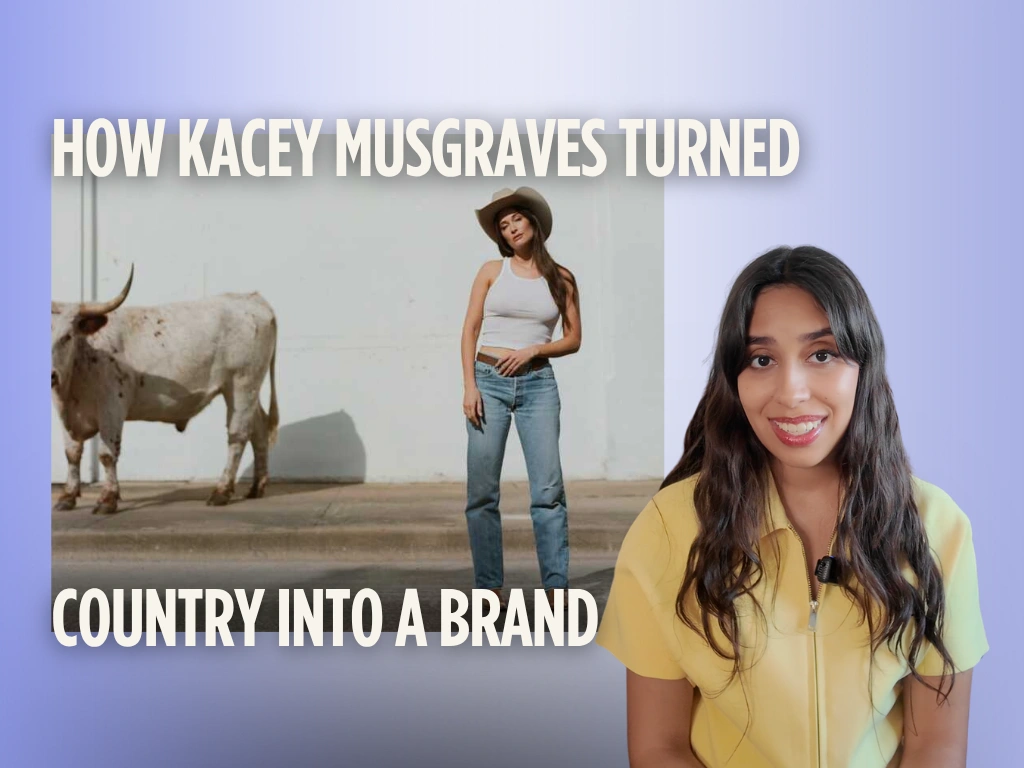
Kacey Musgraves’ Middle of Nowhere pulled off what most genre-blending artists only dream about: more than 100,000 album units in week one in 2026, powered heavily by offline tactics, physical media, and a tight brand story.
She did it without chasing TikTok dances, manufacturing drama, or flooding feeds with disposable content. Instead, she and her team built an offline-first, scarcity-driven rollout that any serious independent artist, label, or manager can learn from.
Why “Middle of Nowhere” Matters for Independent Artists
Middle of Nowhere was not a standard streaming-era drop. It was a tactical reset that:
- Repositioned Kacey commercially
- Reconnected her to her Texas-rooted identity
- Centered scarcity, analog tools, and community
Her team moved away from passive, streaming-first marketing and built a rollout around:
- Offline discovery
- Strategic friction and fan effort
- Fashion and lifestyle partnerships
- Vinyl and physical ownership
- A rebrand that felt fresh but familiar
If you are designing your next campaign, this rollout is a case study in how to build emotional weight around your music. It sits comfortably alongside the kind of masterful strategies we unpack in campaigns like Olivia Dean’s intentional artist growth and Rosalía’s immersive album rollout.
1. Abandoning the Algorithm: How Kacey Used Offline Discovery
The Hotline That Turned Friction into Virality
Instead of starting online with cryptic teasers and pre-save pushes, the campaign began on highways and roadsides.
Random retro billboards appeared with:
- A vintage outlaw-style photo of Kacey
- A tagline promising a “real good time”
- A mysterious phone number
- No QR codes, no streaming links, no platform logos
When fans dialed the number, they heard Kacey herself greeting them, followed by a snippet of unreleased music (“Dry Spell”). That changed the psychology of the rollout:
- Fans had to stop what they were doing and act
- They manually entered the number
- They discovered the music in a way that felt personal and secret
That deliberate friction created emotional investment. The experience felt tangible and exclusive. Fans started screen-recording the hotline and uploading it to TikTok and Instagram, generating organic virality without forced trends.
The Lesson: Strategic Friction Beats Passive Scrolling
Most campaigns focus on removing friction: instant links, one-tap access, auto-play everything. Kacey’s rollout showed that:
- Some effort can make a campaign more memorable
- Experiences that require participation feel less disposable
- Offline triggers can fuel online conversation
For independent artists, that might look like:
- City-specific posters with a phone number or SMS keyword
- Secret listening lines with unreleased demos
- Handmade flyers directing fans to a hidden web player
You do not need a huge budget to introduce analog touchpoints. You need a concept that makes fans feel like they discovered something, not that they were targeted.
2. Collaboration as Audience Architecture, Not Just Streams
How Kacey Mapped Features to Demographics
Instead of stacking features based on who was trending, Kacey’s team treated collaborations like a demographic chessboard. Each feature was chosen to unlock a specific audience segment:
- Willie Nelson – Credibility with traditional country listeners and older fans who prioritize authenticity and legacy.
- Billy Strings – Connection to the bluegrass and jam-band world, one of the most loyal and high-spending live-music communities.
- Gregory Alan Isakov – A bridge back to indie-folk listeners who loved the introspective, gentle side of Golden Hour.
- Miranda Lambert – A culturally loaded collaboration that tapped into years of rumored tension and media narratives.
The Miranda Lambert feature was the centerpiece. Country media and fans had long speculated about friction between the two artists. Instead of ignoring that, the rollout leaned into it. Their joint track became a cultural event, resolving years of conversation and bringing together two of the most recognizable independent female voices in modern country.
The result: instant media angles, commentary, and free coverage. The story was built-in.
The Lesson: Collaborations Should Expand Your Story
Too many artists ask, “Who can give me numbers?” A better question is:
- Who adds narrative depth to my project?
- Who introduces me to a different but compatible culture?
- Who reinforces the core identity of this era?
Strategic collaborations:
- Create conversation beyond the song itself
- Give journalists and curators a storyline to cover
- Build cultural weight that outlives a playlist placement
You can see similar narrative-driven collaboration thinking in campaigns like Zara Larsson’s pivot away from the hit-maker trap, which we broke down in detail in our analysis of her brand rebuild.
3. Turning Fashion Into a World: The Lifestyle Universe of “Middle of Nowhere”
Depop, Denim, and Collectible Identity
Kacey’s album era did not live only on Spotify. Her team turned Middle of Nowhere into a lifestyle ecosystem, especially through fashion.
Key moves:
- Depop partnership with curated capsule drops directly from Kacey’s wardrobe
- Items tied to the era: music video looks, stage outfits, and public-appearance pieces
- Lee denim collaboration built around vintage Texas, western silhouettes, and rural styling
This works because modern fandom is experiential. Fans want to:
- Wear the era
- Photograph and post it
- Feel like they are living inside the album’s world
The music videos acted as visual ads for the lifestyle. The clothing collabs opened doors to new audiences who discover artists through fashion, not playlists. Someone might be browsing Depop or denim drops and end up emotionally attached to the world of Middle of Nowhere before even pressing play.
The Lesson: Build Worlds, Not Just Releases
For independent artists, you may not have major-brand collaborations yet, but you can still:
- Design a tightly consistent visual language (colors, textures, fonts, silhouettes)
- Create limited-run merch that feels like fashion, not just logo print
- Align with local designers, vintage shops, or small clothing labels
- Use your music videos as the anchor for your visual and style identity
When your visual identity is strong, your marketing can extend into physical culture. You stop selling a set of songs and start selling a world your fans can step into.
4. Beating Streaming with Vinyl and Physical Ownership
37,000+ Vinyl Units in a Streaming-Dominated Era
One of the most striking stats from the campaign: more than 37,000 first-week units came from vinyl. That is not nostalgia. That is strategy.
Kacey’s team treated physical media as the core of the rollout:
- Multiple vinyl variants ready to ship at release, not months later
- Independent record stores activated early with exclusive inventory
- Localized listening events and in-store sessions
- A clear signal throughout the campaign that fans should own the album
Streaming feels temporary. Vinyl feels permanent. A record becomes:
- A display piece in someone’s home
- A ritual object in their listening routine
- A visible symbol of taste and identity
Listening Parties and Community Memory
The listening events created communal moments around the album. Fans did not just press play alone through earbuds. They:
- Gathered in real spaces
- Met other listeners
- Attached the music to physical memories and social experiences
The combination of scarcity (limited variants), collectibility (desirable packaging), and community (shared experiences) supercharged the physical strategy.
For independent artists, think about:
- Pressing a small but thoughtful vinyl or cassette run
- Partnering with a few key record stores for listening nights
- Offering signed or numbered editions that feel truly limited
Ownership builds longevity. Streams vanish into algorithms. Physical objects and real-world experiences become emotional anchors.
5. The Legacy Rebrand: Evolving Without Erasing Yourself
Familiar but New
Many artists stumble during a rebrand because they abandon the identity that built their audience. Kacey navigated that risk with precision.
She did not erase:
- The introspection of Deeper Well
- The emotional softness of Golden Hour
Instead, she:
- Reintroduced movement and humor
- Leaned into Texas dancehall culture and rural aesthetics
- Embraced analog nostalgia and offline community
The era felt both fresh and deeply recognizable. That balance is the core of smart legacy-building: evolve the energy, not the essence.
The Lesson: Deepen Identity, Do Not Chase Every Trend
Fans disconnect when everything changes overnight. They also drift when nothing changes at all. The opportunity sits in the middle:
- Retain the emotional DNA your audience fell for
- Shift the setting, styling, and storytelling around it
- Introduce new textures while honoring your roots
For long-term artist development, this is the same tension we see across many standout campaigns we cover, including those in our breakdown of genius album launches. The strongest rollouts build on an existing core instead of discarding it.
Key Takeaways for Independent Musicians and Labels
From Middle of Nowhere, independent artists and small labels can pull out several practical principles:
- Offline is an advantage, not a limitation. Use posters, phone lines, mailers, and real-world events to cut through digital noise.
- Strategic friction creates commitment. Let fans work a little for access so the experience feels special and worth talking about.
- Build collaborations around narrative. Choose partners who shift your story, not just your stream count.
- Treat physical formats as premium. Design vinyl, merch, and events that feel like long-term artifacts, not afterthoughts.
- Rebrands should feel like evolution, not erasure. Protect the emotional through-line of your artistry while refreshing the context.
If you are planning your next rollout, study campaigns like Kacey Musgraves, Olivia Dean, and Rosalía. They all show different ways to use storytelling, world-building, and fan psychology to build careers that last beyond a single trend cycle.
Use these lessons as a blueprint, adapt them to your scale, and build an era your fans can truly live inside, not just listen to for a week.